Christmas family memory

6 12 2015

WAHIAWA — Momma used to save butcher paper, the heavy pink paper with dark fibers that the butcher wrapped meat in. I wonder who remembers butcher paper. In those days she recycled everything. She traded the morning Advertiser with Uncle Harry and Aunty Edna next door for the afternoon Star-Bulletin to read. She saved the plastic bags from the poi to reuse, long before today’s ubiquitous plastic came across the Pacific from Hong Kong. Paper grocery bags lined the trash cans. The animals got our food scraps. Those were the days we had a party line and had to dial “0” for the operator to make a long-distance phone call.

The butcher paper. She sponge-washed and dried the sheets all year. Then around Christmas she would finger paint on them. Sometimes she cut out designs from half a raw potato to make pretty stamps, like a Christmas tree or a sprig of holly. And sometimes she let me finger paint, too. I don’t recall ever playing with mud, but the feeling of finger paint oozing around my hands is probably like that. It was fun to decorate.

To dry our creations, she crawled under the grand piano, a Howard, in the living room and spread the painted papers flat on the maroon wool rug. (Dad’s choice of color in the Fifties.) Our house was a small two-bedroom plantation cottage rented from Uncle and Aunty, and the painted papers shared the floor with Dad’s record collection. He had a huge Scott radio/record player.

Funny. I wonder where the piano and record collection went.

So, if you can imagine in our small parlor—it was called a parlor, not a living room—there was the Scott, a blue overstuffed couch, matching overstuffed chair, the grand piano, and Momma’s sheet music cabinet. She was a piano teacher.

And she made her own Christmas wrapping paper! With hardly any more room in the parlor, especially after the first TV of the neighborhood moved in, she would set up the card table in the bedroom between the double bed and her green metal dressing table, the kind with a big tri-fold mirror, drawers both left and right, a bench in front, and a place for a comb-brush-hand mirror set on top. Where I used to play dress-up in her fancy gowns. There is where we both spent delightful times wrapping presents.

Colorful monochromatic papers of deep shades of blue, green, red, violet—so vibrant. Momma showed me how to crease the paper around the corners of a box and Scotch-tape them closed. The packages came to life with ribbons and bows of gold and silver. Even today, two and a half generations later, my cousins tell me they remember the beautiful sight of those packages under the tree.

Copyright 2015 Rebekah Luke


The gardener as artist

17 11 2015

This is the first weekday morning in 40 weekdays that I didn’t hear a gentle knock on the front door signaling the arrival of the new, cheerful, smiling gardener. Instead, I am greeted by a light warm rain on the newly landscaped yard, a work of art completed yesterday.

Allow me to set the stage. My injured hand, from “overuse,” prevented me from tending plants as before. DH and I had the mature mango and avocado trees cut back, as we need to do every two or three years, because they are close to the house. That let in more sun, and then there fell a lot of rain. The best way to describe the resulting look was, we lived in a jungle.

I searched for a person to clean the yard—because as wise daughter says, “Hire the professional”—but I could not find anyone who was willing or who would show up way out here in the country. If the yard was already cleared of its jungle-y aspects, fine, perhaps someone could keep it trimmed. Word got out that I was looking, and two of my Hawaiian lady friends recommended their man.

They had good things to say. “Oh, he could probably do your yard in a day.” “He’s a hard worker.” “He works in the sun.” “Now he comes just once a month; that’s all that’s needed.” “Give me your number, and I’ll have him call you.” Great!
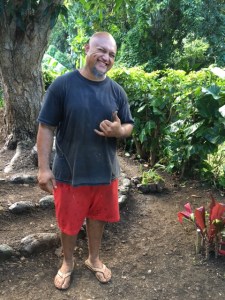
Hailama

Hailama

Enter Hailama, a sturdy Hawaiian from Kahana Valley, who said he would work every day “’til pau (finished),” that meant a 5-hour day, rain or shine. Touring our jungle, I attempted to describe the original garden plan, now obscured with the overgrowth, and Hailama asked, “What do you want to keep?” Ah, a new perspective!

We agreed to keep the mango, the avocado, and calamansi trees for the fruit they produce;  the vegetable-and-herb boxes; the red hibiscus for their petals used for Mexican jamaica tea; and the kou tree, ginger, and ti plants to make lei. We wanted to keep as much of DH’s native Hawaiian plant collection as possible.

One of the features of the land we mālama (care for) is that there is not much soil. Only rocks. A lot of rocks. We are near a stream, and some people think our street is where the stream used to be, because it lines up with a natural ocean channel. I think so, too. It turns out that Hailama loves to work with rocks, or pohaku in Hawaiian.
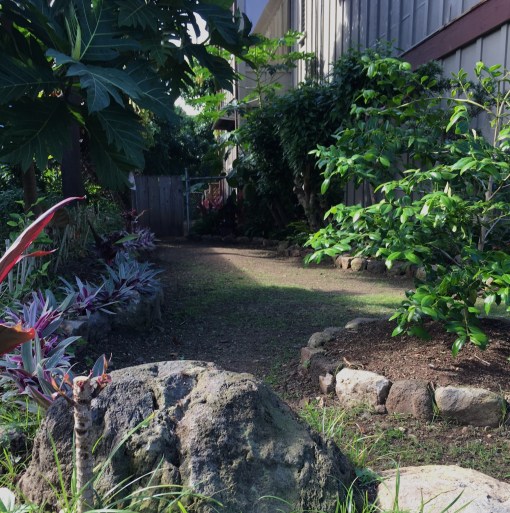
Mauka side yard has a new, curving rock border with a cascading variegated green/white/purple cover in front of a new red hibiscus hedge that will grown up like the mature hedge on the right against the wall. Upper left: breadfruit tree. Middle right: alahe‘e tree. Foreground: a sitting rock.

This garden path has a curving rock border with a cascading variegated veridian/lavender/purple cover in front of a new red hibiscus hedge that will grow up like the mature hedge in the middle background of the photo. Upper left: breadfruit tree. Middle right: alahe‘e tree. Foreground: one of the “sitting rocks.” Red ti leaf accents.

Starting at one corner and then proceeding to the next adjacent area, in a continuous flow, Hailama took advantage of a blank canvas to transform the garden. Every day brought a new surprise. For the most part, he worked with what was already on the property, relocating and rearranging the elements with new lines and shapes. In doing so, he made room for energy to flow freshly.

“What is your vision?” I asked. “I don’t know,” he shrugged. Looking up and moving his arms from above his head and down the sides of his body, he said, “Every day I ask God, and He helps me.”
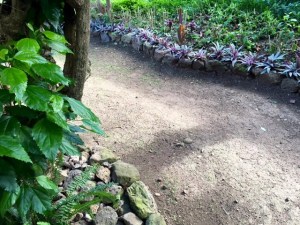
Detail of garden path. After the mature hibiscus hedge (left) was trimmed to half its height, the tops were made into cuttings to form a new 25-foot-long hedge (top of photo).

Detail of garden path. After Hailama trimmed the mature hibiscus hedge (left) to half its height, so I could see the waterfall again from my studio window, he saved the tops and made cuttings to form a new 25-foot-long hedge (top of photo).

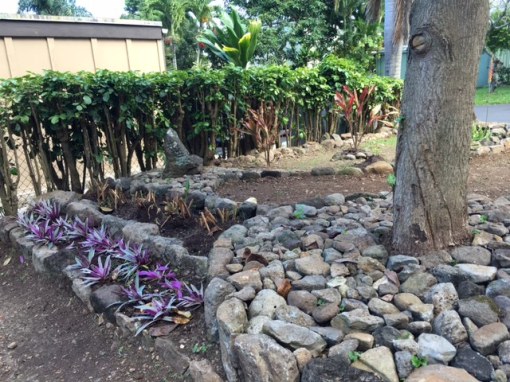
We started to have small discussions. He liked flowers. I liked food. “Do you like color?” he asked. “Yes, and pathways and focal points.” As he worked, Hailama began to re-grade the lot. He liked curves, where previously there were straight lines. In the way he used the rocks he dug up from the ground, the garden started to look zen. That I liked!
IMG_2367

Every rock is hand-picked, considered for its “face” and painstakingly set into the ground by hand. A row of the veridian-lavender-purple plants is on the lower terrace for a color repeat. Behind it is a row of white ginger that will eventually take hold; Hailama brought them from his own garden. In the background, Hailama trimmed the old panax hedge to a manageable height for maintenance.


Fronting the panax hedge in alternating plantings are flowering red and pink ginger and ti leaves of various colors. Upper right: raided veggie and herb beds. Foreground, ʻaeʻae ground cover around the base of the avocado tree.

Fronting the panax hedge in alternating plantings are flowering red and pink ginger and ti leaves of various colors. Upper right: raised veggie and herb beds. Foreground: ʻaeʻae ground cover around the base of the avocado tree. Hailama explained the rock borders will prevent a weed whacker from cutting the plants. He designed the new garden for ease of maintenance.
 

IMG_2366

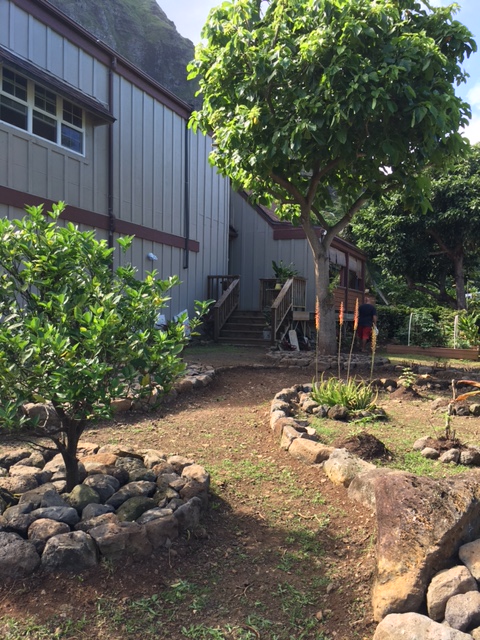
View of the front entry from the street. Paths meander around the calamansi tree (foreground), sweet potato and aloe beds (middle ground), and the kou tree. The trees are pruned to resemble lollipops. You can see the windows of my second-story studio.
Weʻre looking forward to a carpet of green grass in the back. The brown lath will extend down from the deck. the "keepers" are the avocado tree, left, and the mango tree, at right.

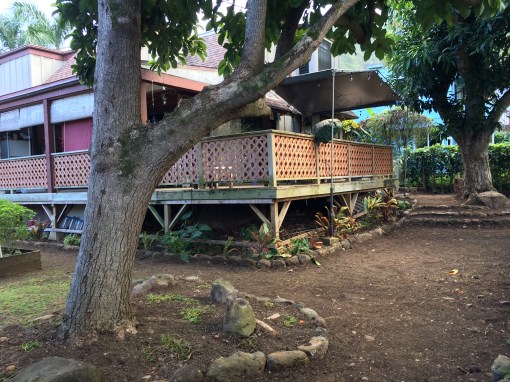
We’re looking forward to a carpet of green grass in the back. DH went to buy grass seed today. The brown lath will extend down from the deck for a nicer backdrop for the border of colorful ti. The “keepers” are the avocado tree, left, and the mango tree, at right.
IMG_2372

Curving steps

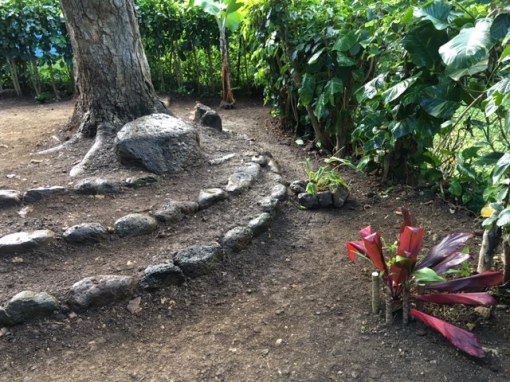
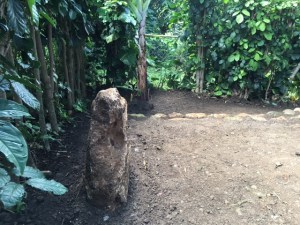
Hailama took great pride and pleasure in designing the curving steps to the mango tree. One of the large rocks is a piece of coral that he found while digging the surface. The steps leading to the banana are also coral!
IMG_2382

Coral rocks found on site

IMG_2386

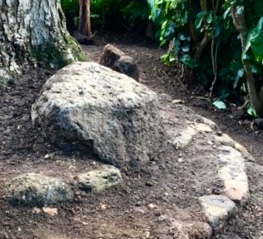
One of several sitting stones

The rest of the story is that ours is the first property that Hailama has completely re-landscaped. He said, joyfully, “I am making this garden as if it is my own! This is the best one I’ve done!” Indeed, it is Hailama’s Garden. What a beautiful, extraordinary labor of love. The creatures love it. We love it. Our visitors will love it. Hailama is our angel, our new friend, and DH and I are so blessed and so very thankful! Mahalo piha, a hui hou, mālama pono!

(Copyright 2015 Rebekah Luke)


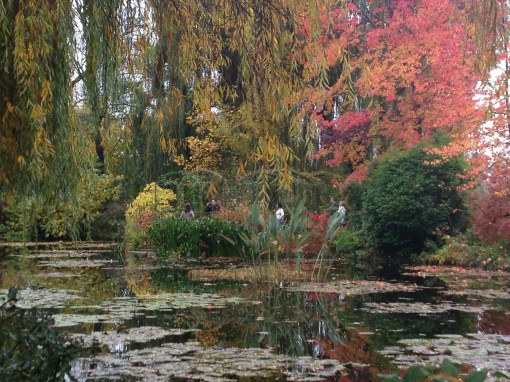
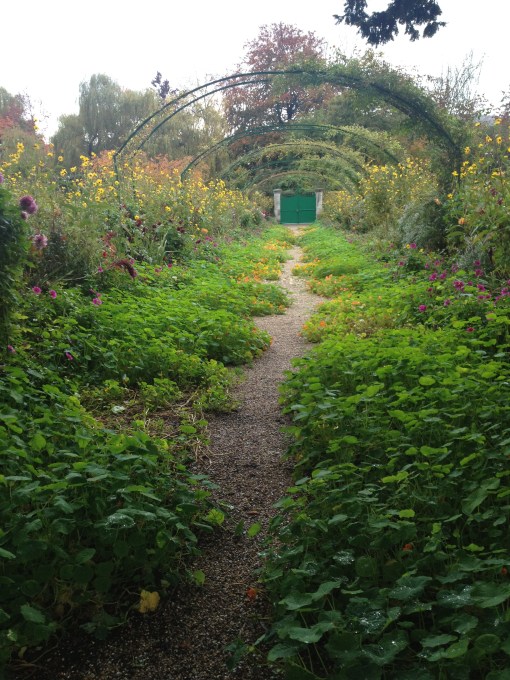
My images of Monet’s Garden at Giverny

7 11 2015

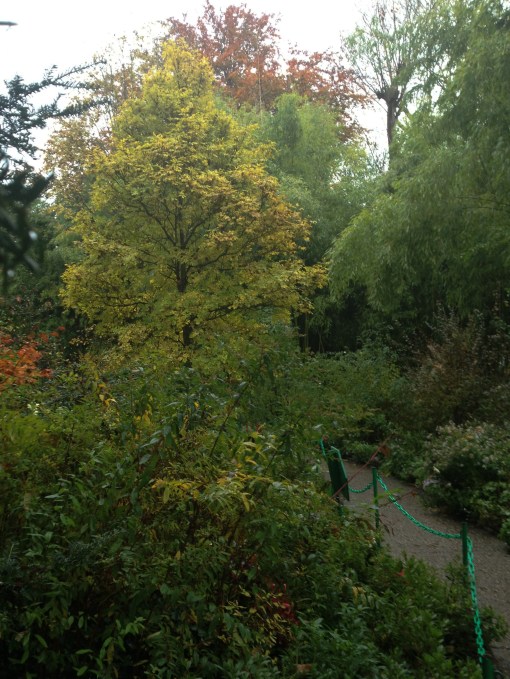
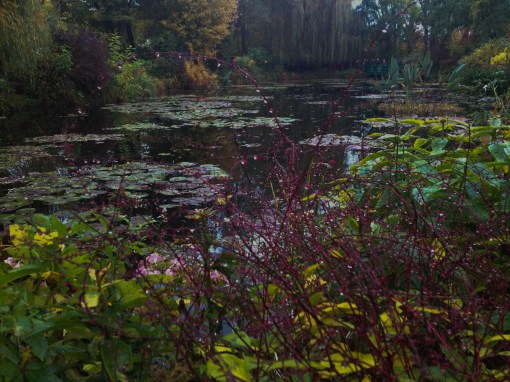
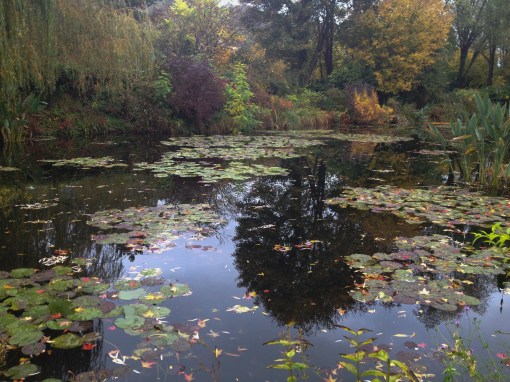
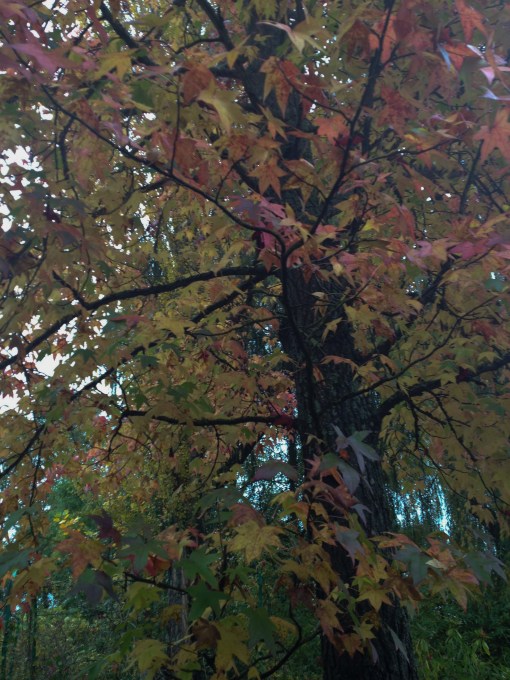
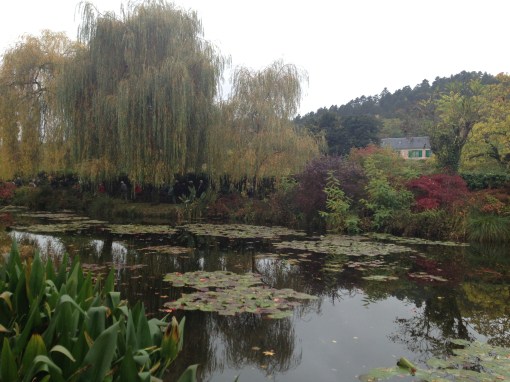
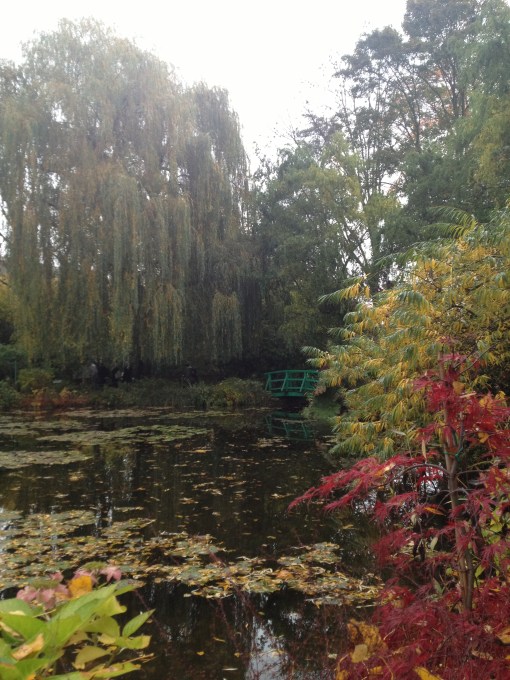
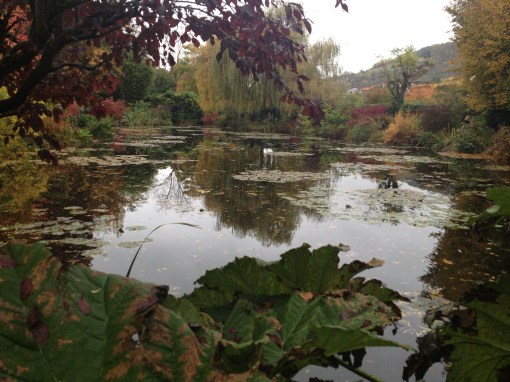
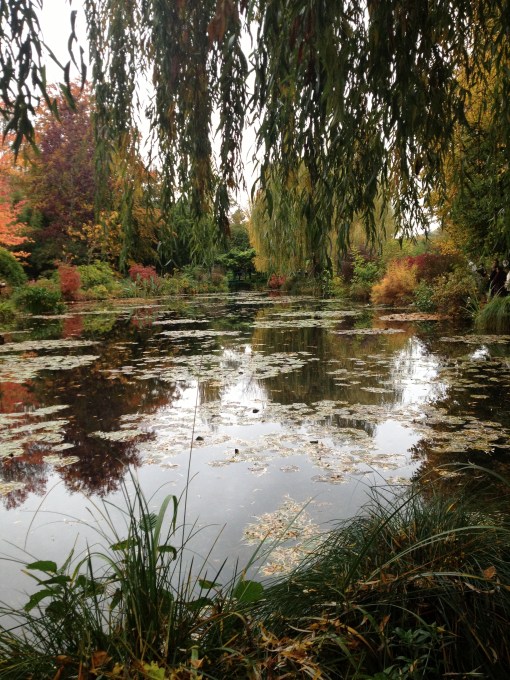
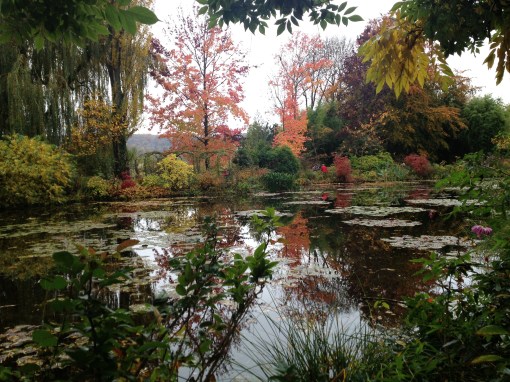
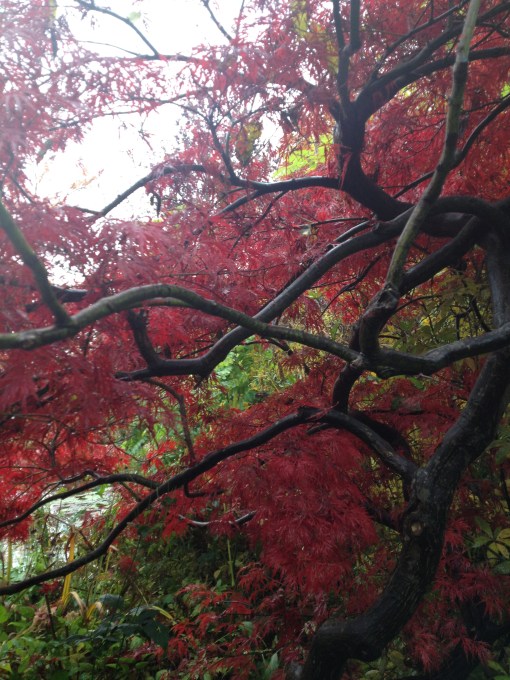
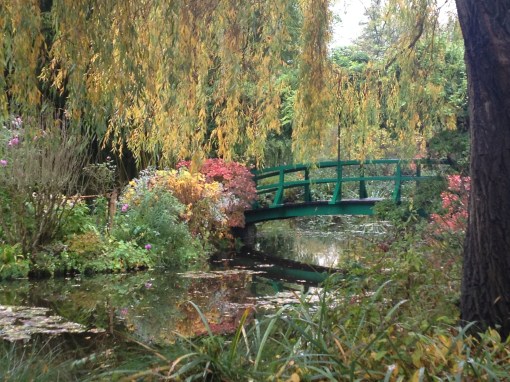
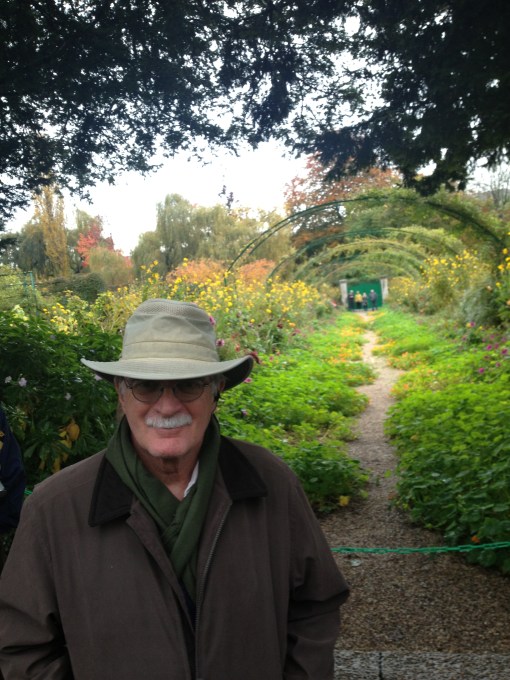
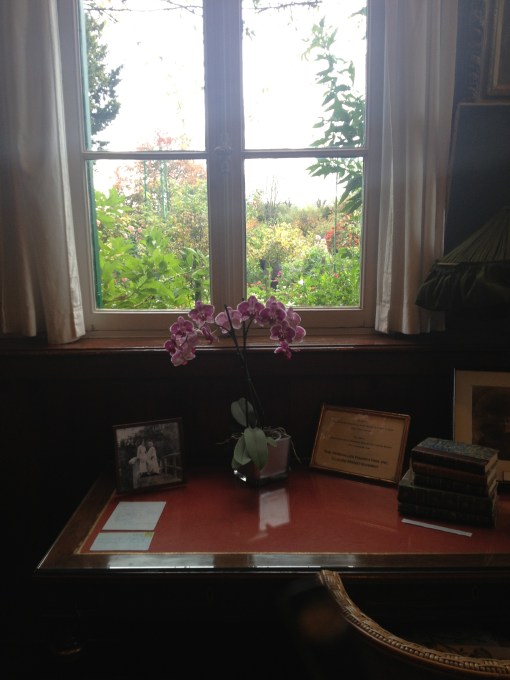
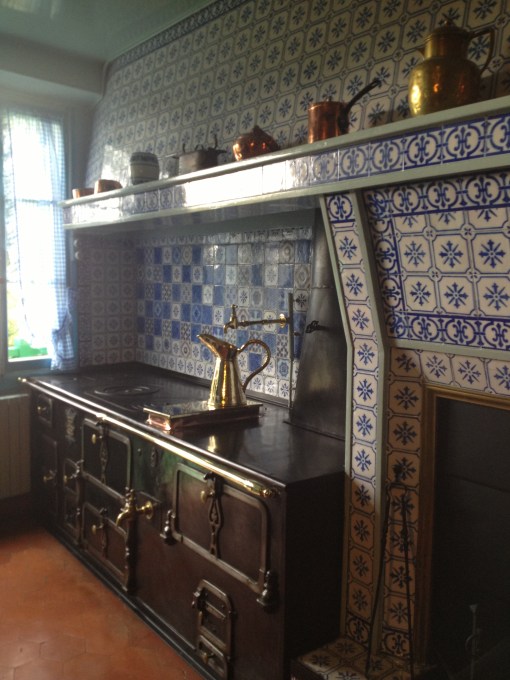
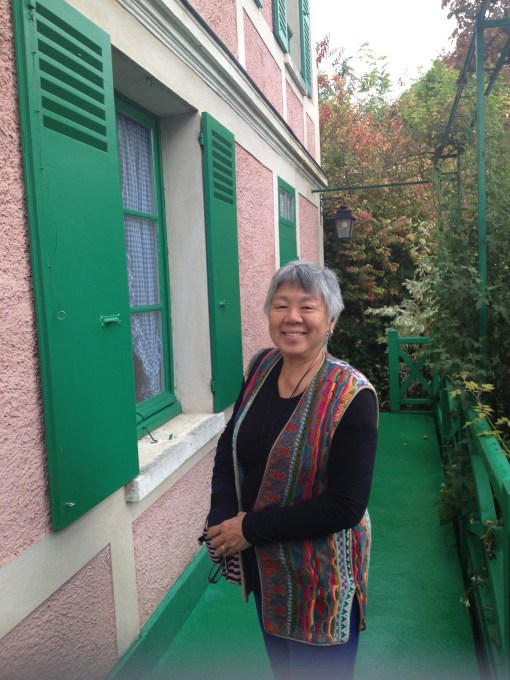
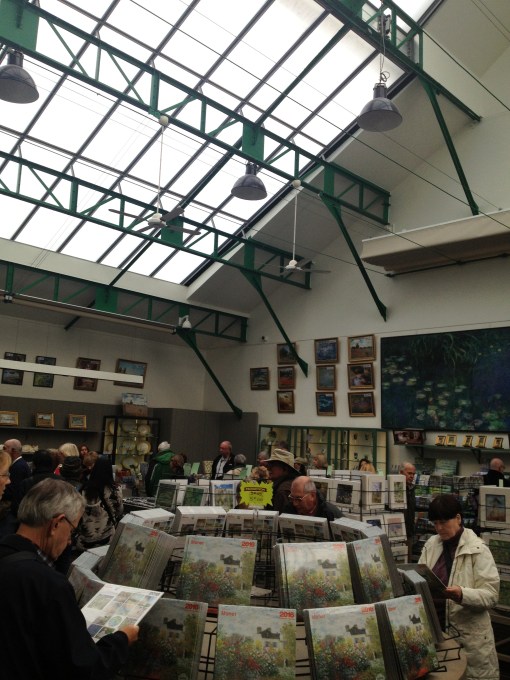
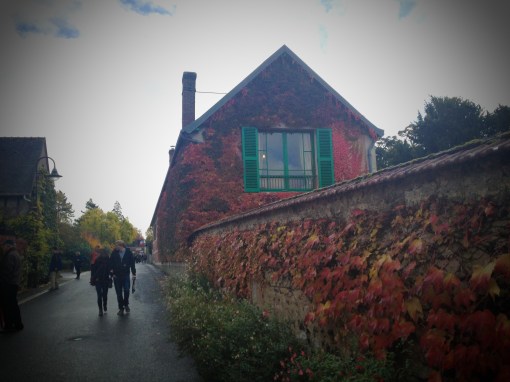
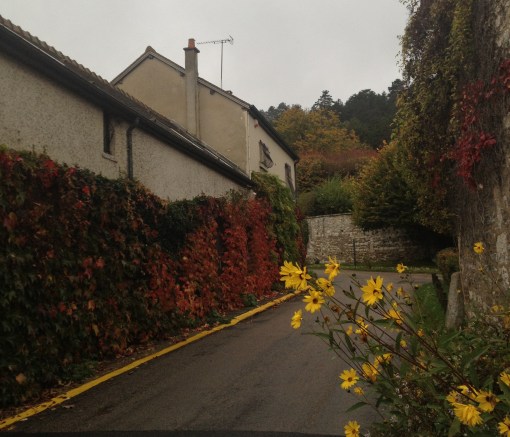
By now you have heard me rave about Monet’s Garden at Giverny that I visited in October as part of an organized cruise on the Seine River. You will understand why when you see the images in my photos. I was very inspired by the colors, reflections, and scents. I came home to my Hawaii studio anxious to create a garden of my own to paint. Thanks to the gardeners and hail to all artists! Please enjoy my album. ~ Rebekah

IMG_1887

IMG_1870

IMG_1768

IMG_1775

IMG_1878

IMG_1882

IMG_1883

IMG_1780

IMG_1884

IMG_1784

IMG_1785

IMG_1787

IMG_1789

IMG_1791

IMG_1793

IMG_1795

IMG_1798

IMG_1799

IMG_1801

IMG_1802

IMG_1808

IMG_1880

IMG_1813

IMG_1814

IMG_1815

IMG_1816

IMG_1818

IMG_1819

IMG_1820

IMG_1877

IMG_1873

IMG_1833

IMG_1834

IMG_1836

IMG_1841

IMG_1885

IMG_1855

IMG_1881

The End


Going on a trip to France

16 10 2015

I’m packing my bags for a trip to France! My travel blog “Popo Goes Abroad” will chronicle my time away from the studio, similar to the times I was in Italy. Head on over to http://www.rebekahstravels.wordpress.com. Just scroll past the top intro blurb to the most recent article. Next stop: Paris! Au revoir ~ Rebekah

20151016-114802.jpg


Windward Artists Guild Membership Show

6 10 2015
20151006-104403.jpg

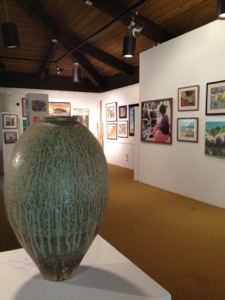
Like a sentinel, this stoneware pot is one of two similarly shaped by Windward artist Soares.

In art news: The Windward Artists Guild that I joined this year has installed its Membership Show at Hoʻomaluhia Botanical Garden Visitor Center in Kāneʻohe, Oʻahu. Entrance to the Garden is at the end of Luluku Road.

The public may enjoy the exhibit until the end of October, from 9 to 4 daily. The best time to meet the artists will be this Friday, October 9, from 5:30 to 7 p.m. at a reception. Art collectors and appreciators, take note!

William Zwick, director of the Zwick Academy of Fine Art, juried and will be awarding 1st, 2nd, 3rd, and two Honorable Mentions.

The pieces include images of nature predominantly—flowers, landscapes and seascapes of windward O‘ahu that logically inspire artists who live here. Oil, watercolor, paper, batik, wax, some clay—you’ll find a range of media.

20151006-104423.jpg

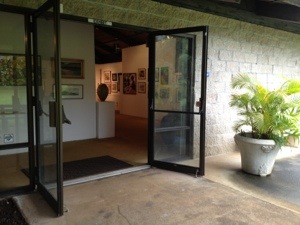
Welcoming entry

20151006-104439.jpg

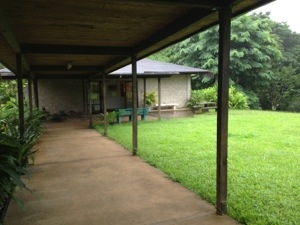
The Exhibit Room at Ho‘omaluhia Botanical Garden’s Visitor Center features changing exhibits monthly.

Here are the two paintings of mine that Mr. Zwick picked for display:”Waipao” and “Clouds Lifting Over Lanihuli.” I’m pleased. Thank you!

“Waipao”

“Clouds Lifting Over Lanihuli”


Hakka Cousins

20 09 2015

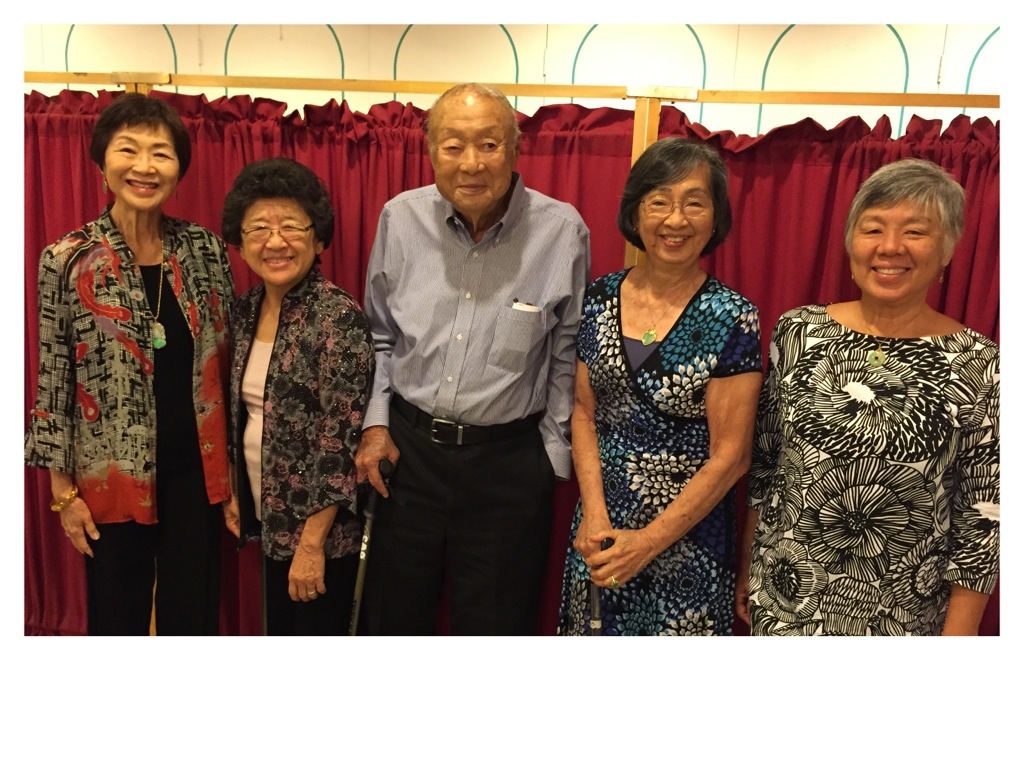
These are some of my first cousins. Our mothers were sisters. Cousin Millie organized a table for 10 at last night’s Tsung Tsin Association dinner in Honolulu. About 120 people attended. The club perpetuates Hakka Chinese culture. Though of Hakka origins, my cousins and I live as third generation Americans in Hawaii and don’t speak Hakka, though our Tsya Po (grandmother) did. The annual event helps to remind us of our roots. Pictured below, from left: Millie Lui, Audry Helen Kim, Kwong Yen Lum, Eileen Lovelace, and me—Rebekah Luke. Photo by Marty Watts.20150920-082401.jpg


Essence of Honokaʻa

5 09 2015

For me, Honokaʻa is a place for healing, the feeling of being whole. We all need healing every day. I went there again a week ago, and these images are the essence of my time there. Can you feel the love?

20150905-100334.jpg
20150905-100411.jpg

20150905-100436.jpg

20150905-100452.jpg

Copyright 2015 Rebekah Luke